Industry knowledge
Torx Drive Geometry and Cam-Out Resistance — The Engineering Behind the Six-Lobe Profile
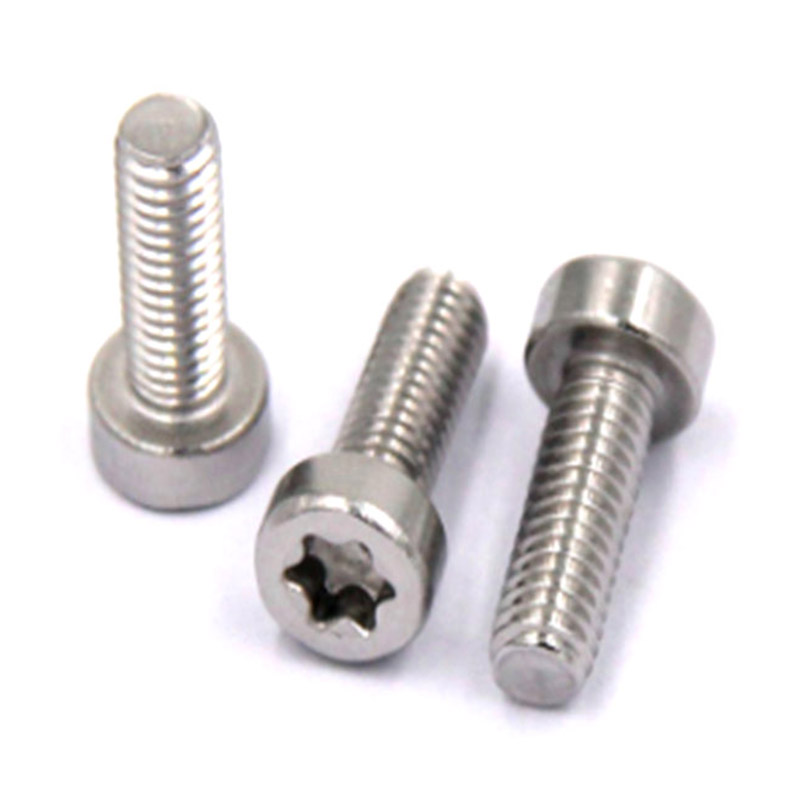
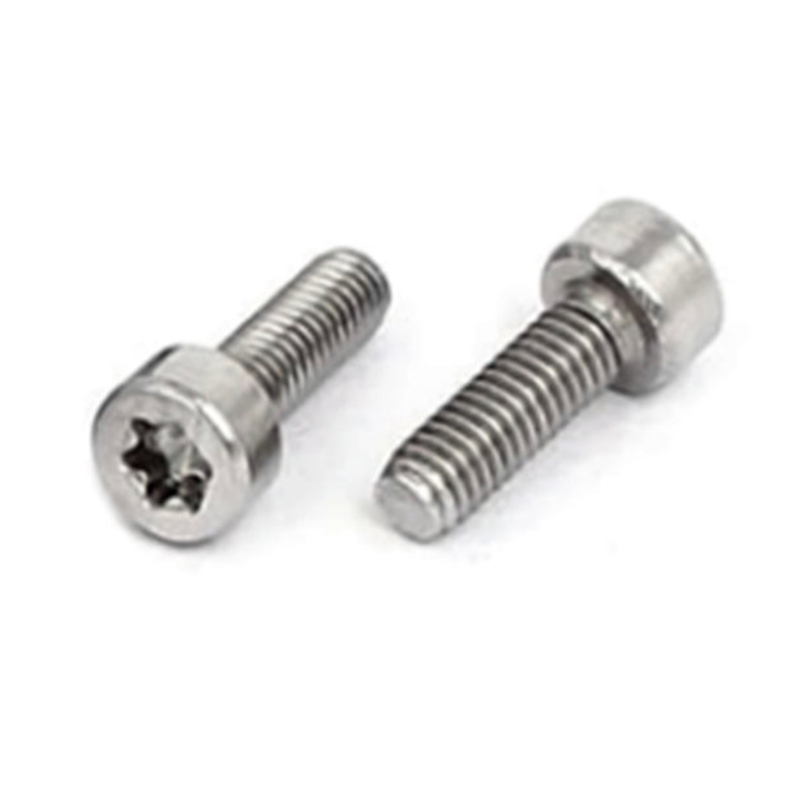
The Torx drive system (ISO 10664, internally referred to as hexalobular) was engineered specifically to eliminate the cam-out failure that plagues Phillips and Pozidriv drives at high installation torques. Cam-out occurs when the axial force from the driver wedges the bit out of the recess as torque increases — a consequence of the sloped flanks in cruciform drives that convert torque into an ejection force. The hexalobular profile replaces angled flanks with curved lobes that engage the driver bit with near-vertical contact walls, so the reaction force under torque is directed radially inward rather than axially outward. The result is a drive system where increasing torque increases engagement grip rather than ejecting the bit.
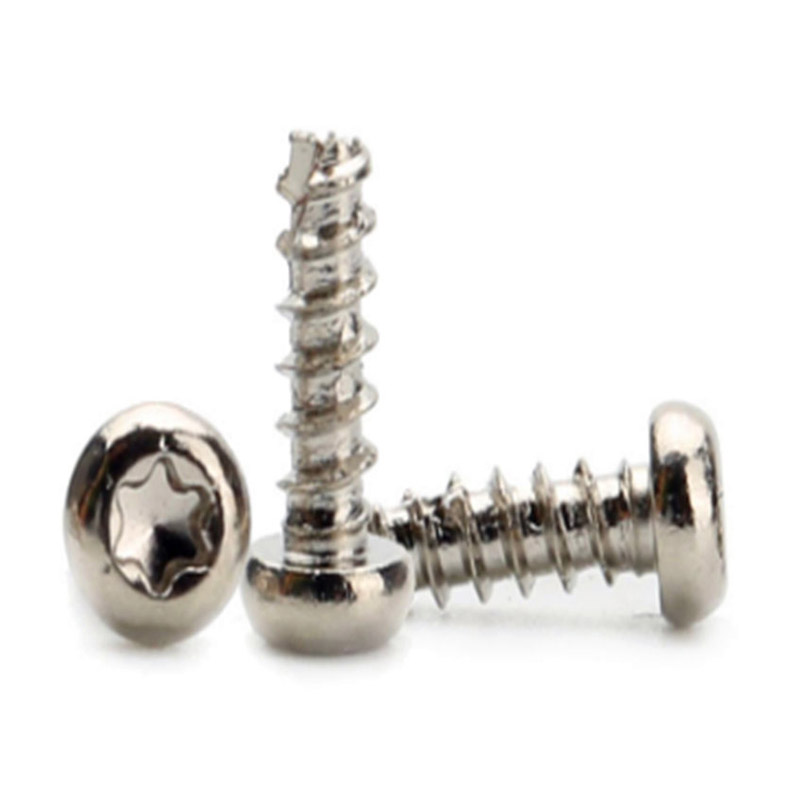
The practical consequence for torx pan head self tapping screws is significant: because cam-out is eliminated, the screw can be driven to its full installation torque without the driver slipping and damaging the recess or the surrounding material surface. This matters particularly for pan head self tapping screws installed in visible or finished surfaces — automotive interior trim, appliance panels, consumer electronics housings — where bit slip marks are a warranty and appearance concern. The hexalobular profile also transfers torque over a larger contact area than a Phillips drive of equivalent recess size, which distributes stress more evenly across the recess walls and extends the usable life of both the screw recess and the driver bit by a factor of 5–10× in high-cycle production environments.
One less-discussed advantage is the self-centering behavior of the Torx bit in the recess. The curved lobe geometry guides the driver into alignment as it is seated, reducing the angular misalignment tolerance required from the installation tool. For automated assembly using robotic screwdrivers — a common deployment scenario for torx pan head self tapping screws in electronics and automotive manufacturing — this self-centering reduces cycle time and recess damage rates compared to Phillips drives, which require tighter angular alignment tolerances to avoid cross-driving. Suzhou Anzhikou Hardware Technology Co., Ltd. produces Torx recess geometry using cold-heading punches manufactured to ISO 10664 lobe profile tolerances, with recess depth and lobe width verified by optical measurement before production release.
Torx Size Selection for Pan Head Self Tapping Screws — Why T-Size and Screw Diameter Must Be Matched Precisely
Each Torx size designation (T6, T8, T10, T15, T20, T25, T27, T30, etc.) specifies a precise inscribed circle diameter for the hexalobular recess, and each size is paired with a recommended screw diameter range. Using a Torx size that is too small for the screw diameter leaves insufficient recess wall material between the lobe roots and the screw head perimeter — reducing the recess burst strength and causing the screw head to split radially at the recess corners under torque. Using a Torx size that is too large for the screw head diameter requires removing too much material from the head, which reduces the head's structural section in bending and can cause the head to snap off at high torque before the thread reaches full engagement.
The standard pairing between Torx size and screw diameter for pan head self tapping screws follows established industry conventions, which are worth knowing explicitly rather than relying on catalogue defaults:
| Torx Size |
Recess Inscribed Circle (mm) |
Recommended Screw Dia. (metric) |
Recommended Screw Dia. (inch) |
Typical Application |
| T6 |
1.75 |
M1.6 – M2 |
#0 – #2 |
Miniature electronics, optical assemblies |
| T8 |
2.31 |
M2 – M2.5 |
#3 – #4 |
Hard drives, laptop chassis |
| T10 |
2.74 |
M2.5 – M3 |
#4 – #6 |
Consumer electronics, small appliances |
| T15 |
3.27 |
M3 – M3.5 |
#6 – #8 |
Automotive trim panels, enclosure covers |
| T20 |
3.86 |
M4 – M5 |
#10 – #12 |
Sheet metal cabinets, HVAC components |
| T25 |
4.52 |
M5 – M6 |
1/4" – 5/16" |
Structural panels, electrical enclosures |
Standard Torx size pairings with screw diameter ranges and representative application contexts
For torx pan head self tapping screws, the pan head geometry provides a larger head diameter-to-shank diameter ratio than flat or oval heads, which allows a proportionally larger Torx recess to be used without compromising the residual wall thickness between the recess and the head perimeter. This is a meaningful structural advantage: specifying a pan head over a flat head for a given screw diameter allows one Torx size larger in some cases, which increases installation torque capacity by 25–40% without any change in thread size.
Thread Form Optimization for Torx Pan Head Self Tapping Screws in Thermoplastic Substrates
Torx pan head self tapping screws are widely used in thermoplastic housings — ABS, polycarbonate, polypropylene, and glass-filled nylon are the most common substrates — where the screw forms its own thread during installation rather than engaging a pre-cut thread. The thread form geometry of the self tapping screw determines how much torque is required to form the thread (drive torque), how much axial load the formed thread can carry before stripping (strip torque), and what the ratio between these two values is. A wide margin between drive torque and strip torque is the primary design target: it allows the screw to be fully installed without the operator inadvertently stripping the formed thread before the head seats.
Thread-forming (as opposed to thread-cutting) self tapping screws for plastics use a trilobular or asymmetric thread cross-section that contacts the pilot hole wall at three or more points rather than continuously around the circumference. This reduces the forming torque by lowering the contact area during thread generation while achieving equivalent or better pull-out strength compared to a full-contact thread form — because the displaced plastic recovers elastically between the contact lobes and grips the thread flanks under axial load. For thermoplastics with high elastic recovery (polypropylene, TPE blends), this elastic grip can contribute up to 30% of total pull-out resistance, making it a significant and design-relevant effect rather than a secondary phenomenon.
Pilot hole diameter selection is the most consequential single parameter in self tapping screw installation into plastics, and the consequences of error are asymmetric. An oversized pilot hole reduces forming torque acceptably but drastically reduces strip torque — the thread flanks engage less material, and pull-out failure occurs at lower loads. An undersized pilot hole increases both forming and strip torque, but excessive forming torque generates heat through plastic deformation, melting the immediate vicinity of the thread and creating a weakened heat-affected zone that cracks under service vibration. The correct pilot hole diameter for thermoplastic self tapping applications is typically 85–92% of the screw's outer thread diameter, with the specific value depending on the plastic's modulus and wall thickness. For glass-filled materials (30% GF nylon, for example), the filler concentration reduces elastic recovery and requires a slightly larger pilot — typically 90–95% — to avoid cracking the boss during installation.
Anzhikou's engineering and technical team regularly provides pilot hole diameter recommendations to customers specifying torx pan head self tapping screws for new plastic housing designs, drawing on over 20 years of fastener application experience across electronics, automotive, and consumer product sectors to reduce the number of design iterations required before a production-stable assembly process is established.
Torx Recess Depth Tolerance and Its Effect on Driver Bit Engagement in Production Assembly
Recess depth is the least-discussed dimensional parameter of Torx screws in procurement specifications, yet it directly controls how much of the driver bit is engaged during installation and therefore how much torque can be transferred before the bit either strips the recess or withdraws under axial reaction force. ISO 10664 specifies minimum recess depths for each Torx size, but does not set a maximum — leaving the upper bound to manufacturer discretion. In practice, recess depth variation across a production batch can be as large as 0.15–0.25 mm for cold-headed screws if die wear is not actively monitored, and this variation has measurable consequences in automated assembly.
In pneumatic or electric screwdriver systems with torque shutoff, the driver bit engagement depth affects the torque reading accuracy. A shallower-than-specified recess causes the bit to seat higher relative to the screw head surface, changing the effective moment arm at the lobe contact points and causing the torque sensor to register a lower value than the actual thread torque — meaning the screw may be under-torqued even though the tool indicates completion. This is particularly problematic in safety-critical assembly processes (automotive airbag housings, medical device enclosures, structural connectors) where torque traceability is a regulatory requirement and under-torqued fasteners constitute a non-conformance.
The interaction between recess depth and driver bit wear compounds this effect over time. A worn bit with reduced lobe height requires a deeper recess to achieve the same engagement contact length as a new bit in a nominal-depth recess. Production lines that do not establish bit replacement intervals based on measured contact length — rather than arbitrary cycle counts — will experience drift in effective installation torque as bits wear, without any change in the tool's torque output reading. Establishing a minimum acceptable recess depth in incoming inspection specifications, rather than accepting ISO minimum as sufficient, provides the margin needed to accommodate normal bit wear across a production shift.
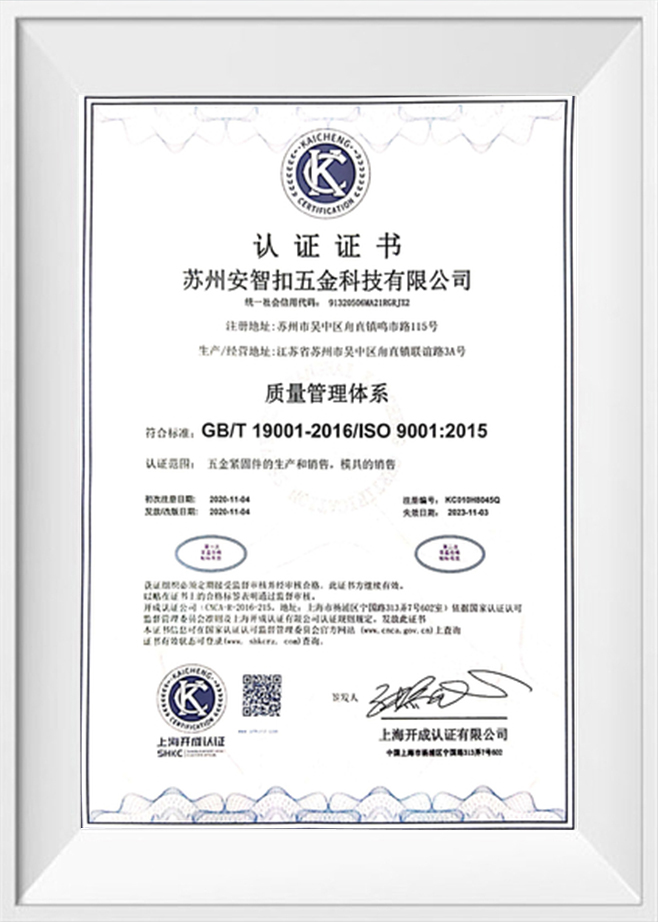
Suzhou Anzhikou Hardware Technology Co., Ltd. monitors Torx recess depth as a scheduled in-process measurement point using optical comparators across its cold-heading production lines — part of the structured quality process under ISO 9001:2015 certification that supports the dimensional consistency required by customers in 40 export markets where assembly process qualification standards demand documented fastener dimensional conformance rather than relying on end-product torque audit alone.

.jpg "Zwart koolstofstaal m4 torx zelftappende schroeven met panhead")
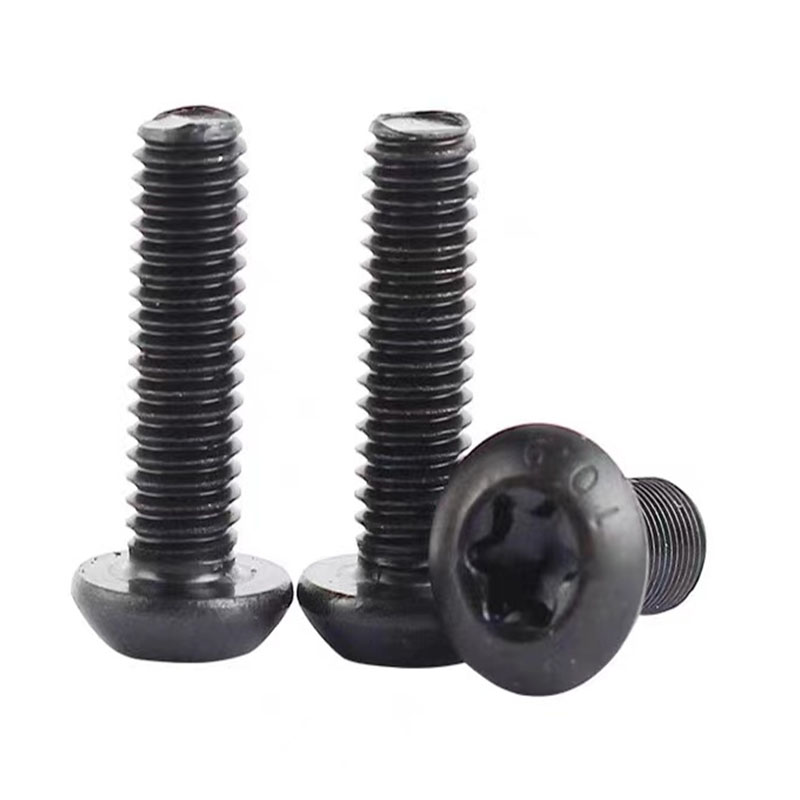
.jpg "Zwart DIN7991 Torx Micro kleine schroef met verzonken kop")
.jpg "M2 DIN7991 Torx verzonken kop micro kleine schroef")
.jpg "M2 M3 SUS Torx Micro zelftappende draadvormende schroef")
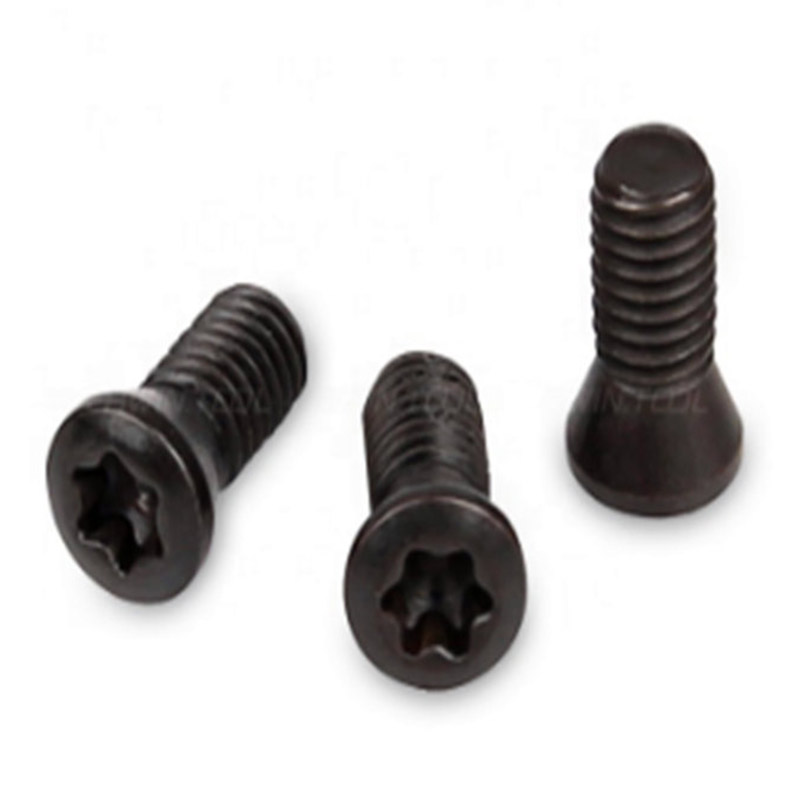
.jpg "M4 Zwart Zink Torx 6 lobben Hexalobulaire Bolkopschroef")
.jpg "Torx-schroef met ronde kop en nylon patch")
.jpg "Roestvrijstalen niet-standaard aangepaste torx-schroef")